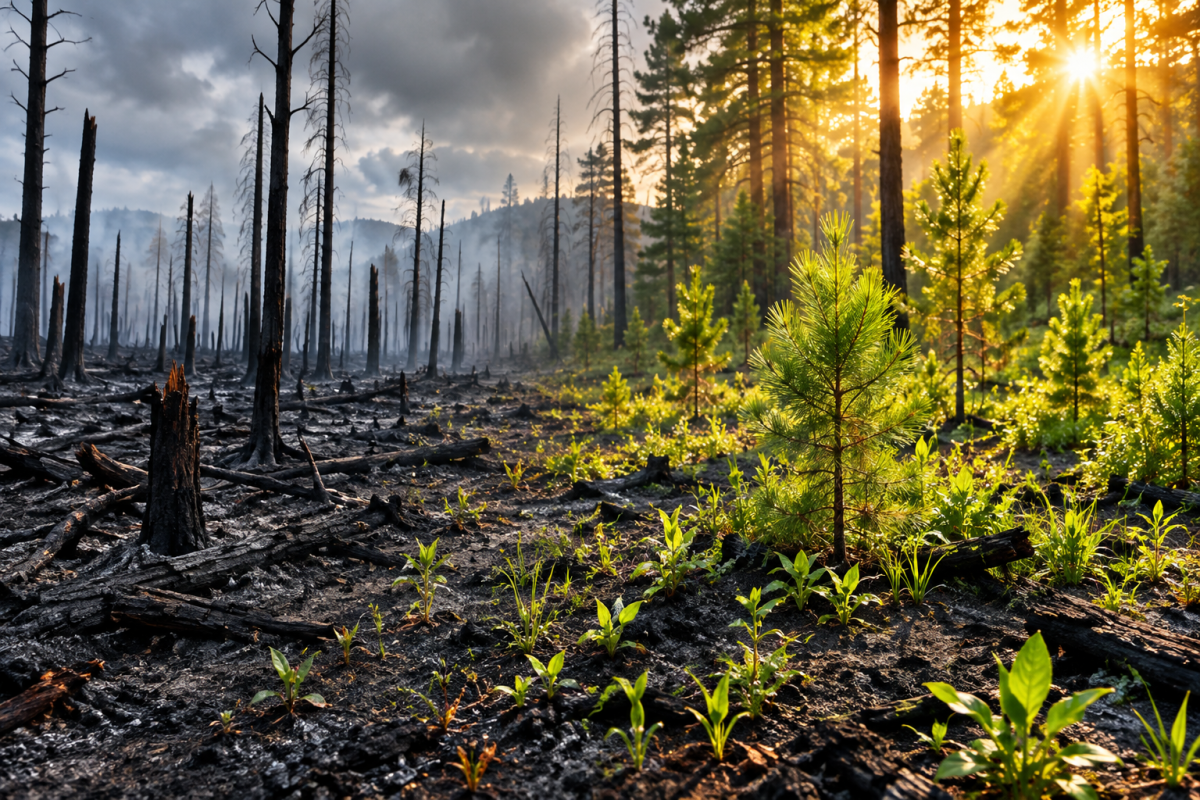
There’s a strange thing certain pine trees do that looks, at first glance, like a design flaw. Their cones — called serotinous cones — stay sealed shut with a thick layer of resin for years, sometimes decades, refusing to release a single seed under normal conditions. Only intense heat, the kind produced by a genuine forest fire, melts that resin enough to finally crack the cones open. This means the very fire that appears to destroy the forest — blackening trunks, reducing years of growth to ash — is simultaneously the one event capable of triggering the next generation of trees.
Continue reading “What the Locusts Ate, God Can Restore”Category: Dare’s Blog
The Cost of Cheap Grace vs. Costly Grace

Deep in the earth, under conditions of extraordinary heat and pressure sustained for over a billion years, ordinary carbon slowly becomes a diamond — dense, nearly indestructible, capable of cutting glass without dulling. A cheap glass imitation can be manufactured in a factory in minutes, polished to sparkle under the same shop lighting, indistinguishable to an untrained eye. But drop both on a hard floor, and only one of them survives the fall.
Continue reading “The Cost of Cheap Grace vs. Costly Grace”The God Who Meets You in the Ordinary

A shepherd does not expect anything remarkable to happen on a Tuesday afternoon in the back pasture. There is no ceremony to counting sheep, no significance attached to another ordinary walk behind the flock along the same worn path he has walked a hundred times before. And yet it was on exactly that kind of unremarkable afternoon, tending someone else’s sheep on the far side of a wilderness, that Moses looked over and saw a bush that would not stop burning.
Continue reading “The God Who Meets You in the Ordinary”Why Gratitude Is a Discipline, Not a Feeling

A farmer does not wait to feel like watering his crops before he does it. The rains may be late, the soil may be cracked, and his own strength may be running thin, but he still walks to the well every morning and carries water to the field, because he knows the harvest does not wait on his mood. What he does daily, whether he feels like it or not, is what eventually determines whether there is anything to be thankful for at all.
Continue reading “Why Gratitude Is a Discipline, Not a Feeling”Modesty Was Never About the Neckline or Hemline

Only about one-ninth of an iceberg actually shows above the waterline. The rest — the true mass, the true shape, the true danger — sits hidden beneath the surface, invisible to anyone simply glancing at the tip poking out of the water. Sailors who learned to judge an iceberg by what they could see above the surface learned it the hard way, usually only once. The visible tip was real. It just was never the part that determined the outcome.
Continue reading “Modesty Was Never About the Neckline or Hemline”The Ownership Nobody Wants to Take First
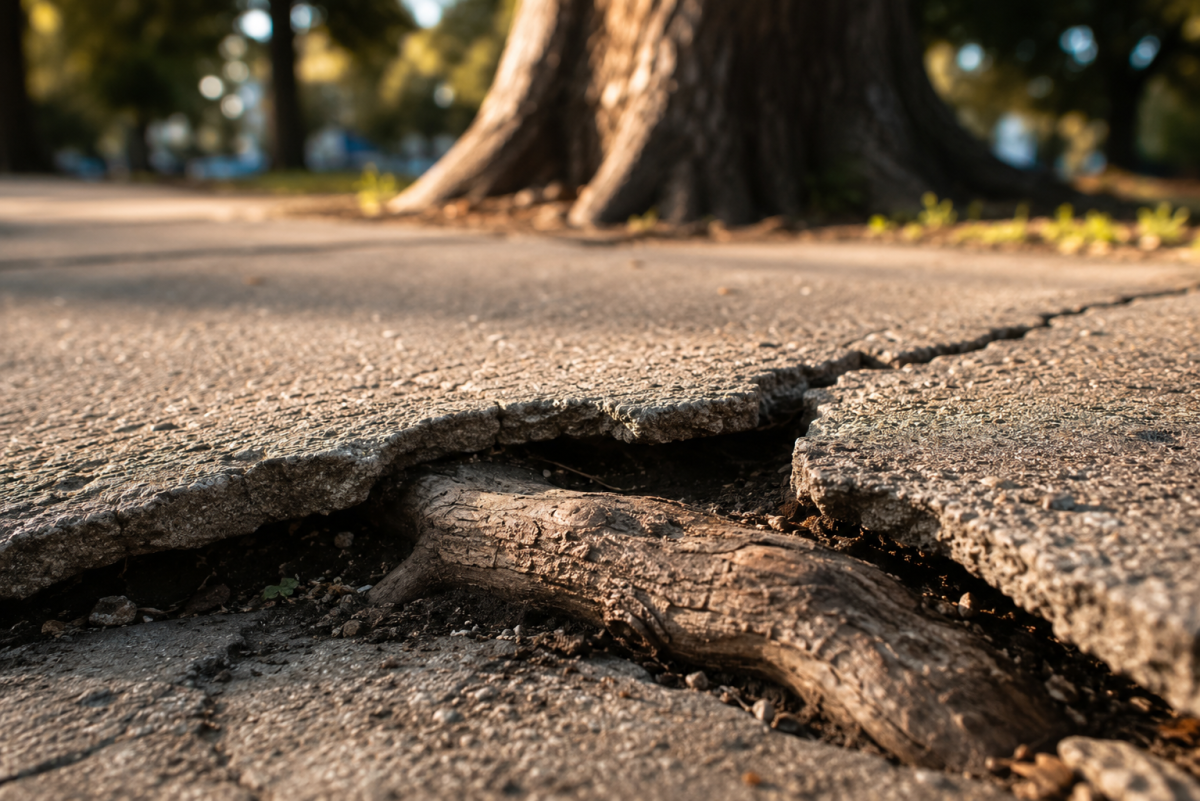
A sidewalk rarely cracks where the actual root is. Tree roots, searching underground for water, can travel twenty feet or more from the trunk before finally pushing hard enough against a slab of concrete to split it open — which means the crack a pedestrian trips over, the one they blame on “bad concrete” or “poor city maintenance,” is very often nowhere near what actually caused it.
Not All That Glitters: The Danger of Choosing by What Pleases the Eye
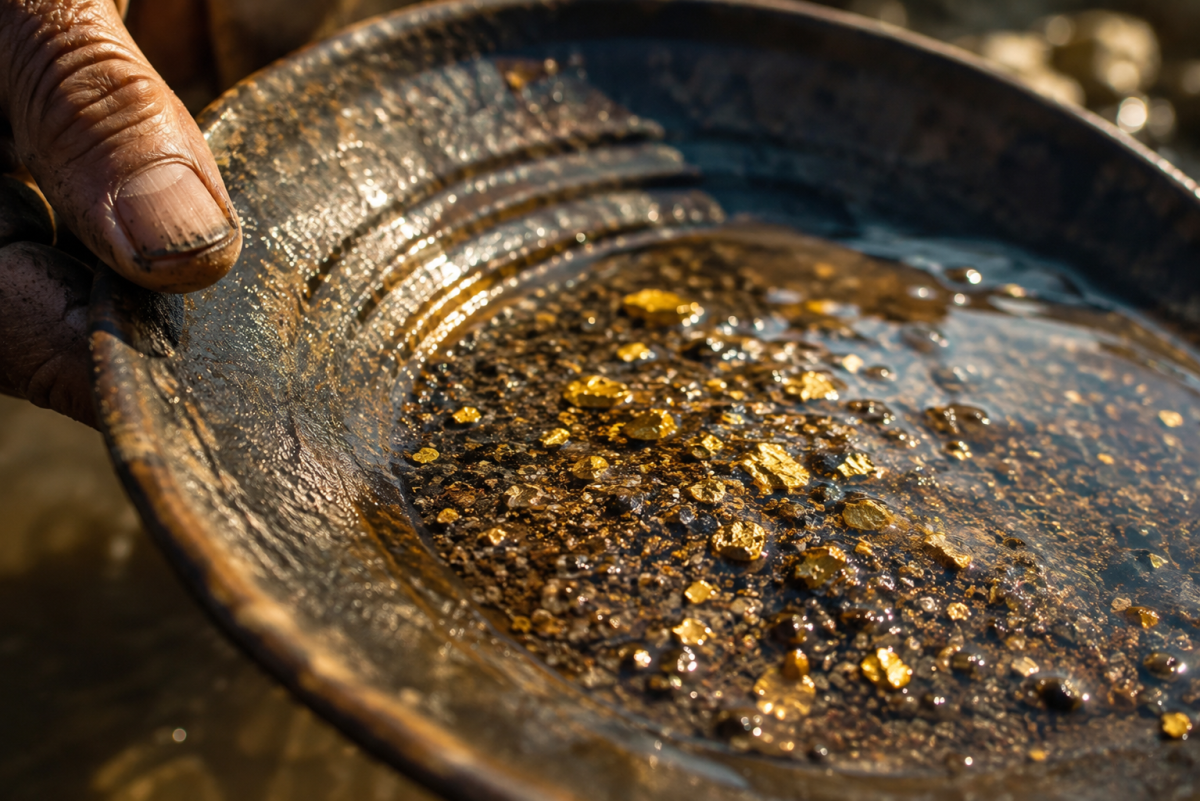
Fool’s gold sits in a prospector’s pan looking, for a few seconds, exactly like the real thing — the same warm yellow glint, the same weight settling at the bottom of the water, the same rush of excitement before a trained eye or a simple scratch test reveals the truth.
Continue reading “Not All That Glitters: The Danger of Choosing by What Pleases the Eye”Small Beginnings God Never Apologizes For
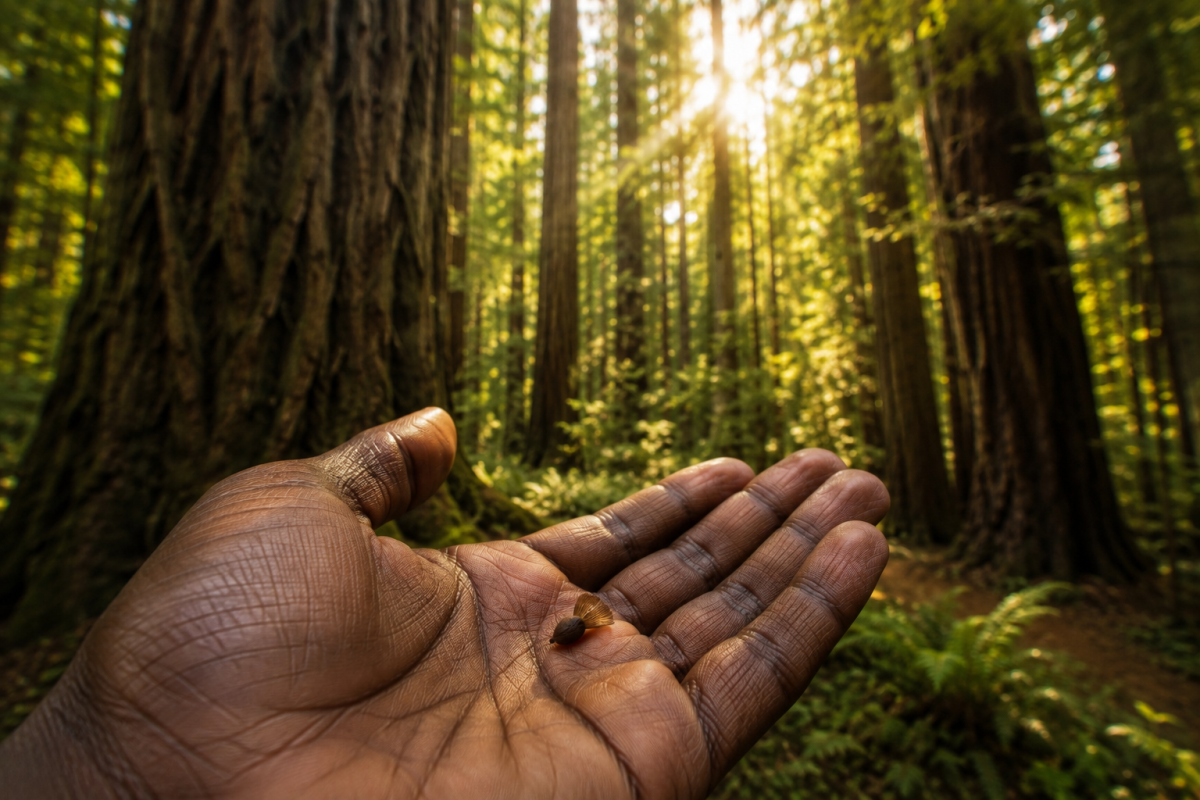
A redwood tree that will eventually stand over three hundred feet tall begins its entire existence as a seed roughly the size of a tomato seed — small enough that a single teaspoon could hold several hundred of them.
The Sin of Comparison

In a crowded flower bed, two plants of the same species, planted the same week, will often grow in dramatically different directions depending on nothing more than where the light falls. The one with a clear, unobstructed patch above it grows straight up, sturdy, unbothered.
Continue reading “The Sin of Comparison”The Weight of Every Word
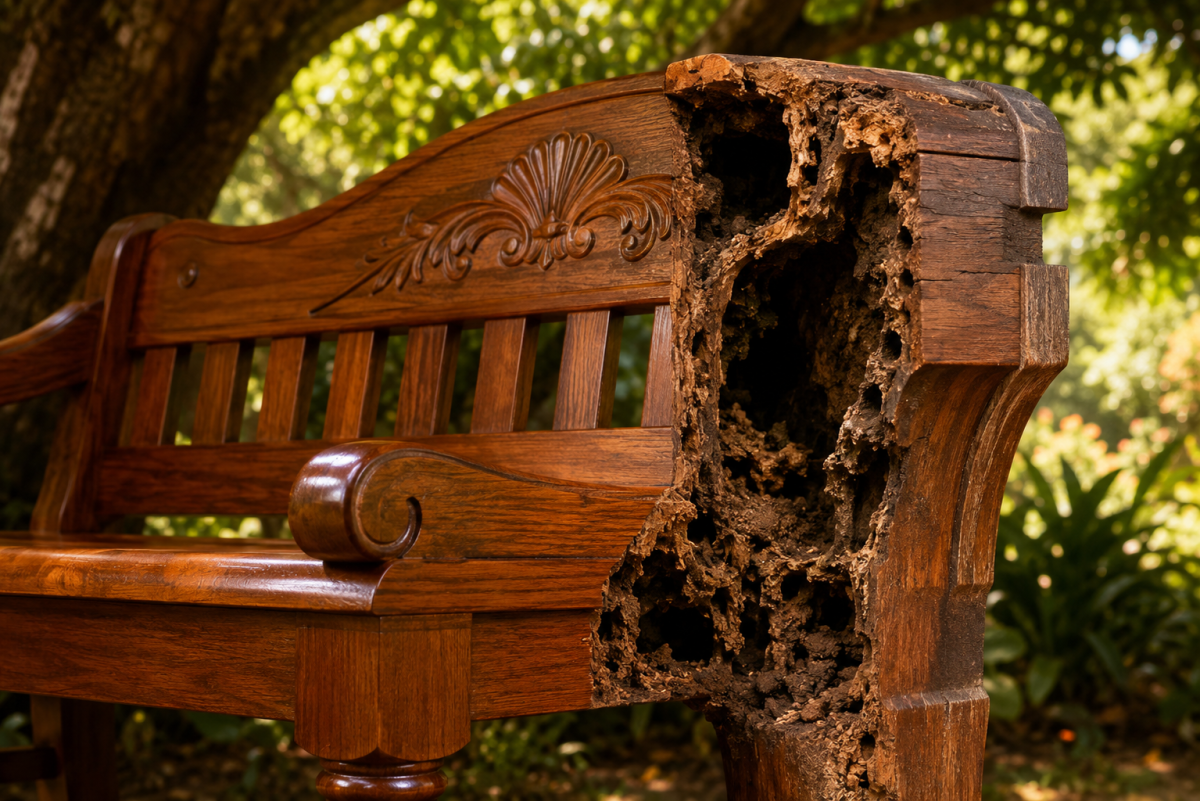
Termites do their most serious damage without ever showing themselves. A wooden beam can look flawless from the outside — solid, painted, structurally sound to anyone glancing at it — while inside, a colony has spent months hollowing it into little more than a shell held together by surface paint and habit.
Continue reading “The Weight of Every Word”