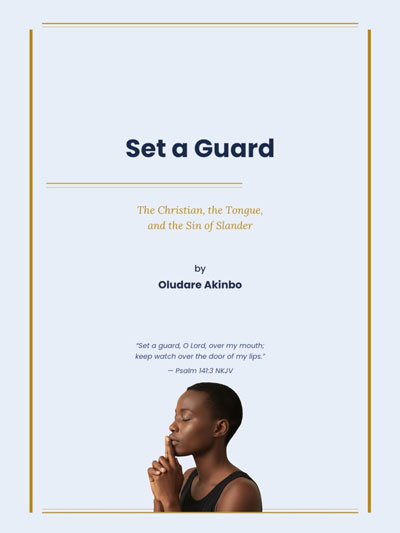
Social media has become the loudest pulpit of our generation. Everyone has a microphone. Everyone has an audience. And everyone has an opinion, often shared instantly, emotionally, and publicly.
But while the platforms are new, the spirit behind much of what we see is not. Offense spreads faster online than almost anything else. A single post can divide believers who have never met.
A comment or post can undo years of trust. A clip taken out of context can turn brethren into adversaries overnight.
What makes this especially dangerous is that offense online often feels righteous. It feels like “speaking truth,” “defending doctrine,” or “calling things out.” Yet Scripture reminds us: offense is not merely emotional – it is spiritual.
Jesus said offenses would come. He did not say they would come mainly through face-to-face encounters. In our time, they seem to be coming easier through screens.
Social media amplifies three things Scripture warns us about:
a. Speed Without Wisdom
We post before we pray. We react before we reflect.
“He who answers a matter before he hears it, it is folly and shame to him.” (Proverbs 18:13)
b. Distance Without Relationship
It is easier to wound someone you don’t know personally or is far away from you. There is no eye contact, no tone, no shared history, only assumptions.
c. Public Validation
Offense loves an audience. Likes, shares, and comments can make bitterness feel justified and even celebrated.
The Biblical Meaning of Offense Still Applies Online
The Greek word skandalon, a trap, fits social media perfectly. Many online posts are carefully baited:
• A half-truth
• A vague accusation
• A personal story shared for impact even with names removed but details intact
• A screenshot or audio clip without context
Jesus warned:
“Woe to the world because of offenses! For offenses must come, but woe to that man by whom the offense comes!” (Matthew 18:7)
This warning applies strongly in digital spaces. Jesus is not condemning truth spoken in love. He is warning against becoming a channel through which offense is deliberately or carelessly released.
When someone knowingly posts content designed to provoke, shame, mock, divide, or cause others to stumble that is skandalon at work.
Being Offended vs. Causing Offense Online
This distinction matters greatly.
Being Offended: Truth can offend pride.
“Blessed is he who is not offended because of Me.”
(Matthew 11:6)
Not every uncomfortable post is sinful. Sometimes conviction feels like offense.
Causing Offense: Jesus’ warning applies when someone:
• Posts to embarrass or expose rather than restore
• Uses influence to stir outrage rather than understanding
• Frames opinions in ways that bait anger and division
Paul gives a digital-age principle:
“Therefore, if food makes my brother stumble, I will never again eat meat.” (1 Corinthians 8:13)
The question is not “Am I allowed to post this?” but “Will this cause someone to stumble?”
I believe that social media in itself is not the problem. It doesn’t create offense, it however is a tool that reveals and promotes it. It reveals the traps that are at the core of offense. These are:
1. Self-Righteousness
Posts that imply or say, “Everyone else is blind except me,” or “I know and can do better than everyone else” rarely build the Body.
2. Pride
Offense grows when correction feels like a personal attack.
“Only by pride comes contention.” (Proverbs 13:10)
3. Lack of Love
Love pauses. Offense posts immediately.
“Great peace have those who love Your law, and nothing causes them to stumble.” (Psalm 119:165)
Unchecked offense online produces:
• Bitterness disguised as activism
• Division masked as discernment
• Public shaming instead of private restoration
God’s verdict is clear:
“These six things the LORD hates… one who sows discord among brethren.” (Proverbs 6:16–19)
God hates division even when it trends.
So how do you recognize the Spirit of Offense online?
You may be operating in offense when:
• You post to “get back at” someone
• You feel energized by online arguments
• You block reconciliation but welcome applause
• You avoid Matthew 18 but quote Matthew 7
Offense isolates. Christ reconciles.
Here are some Biblical Rules that I believe can be applied for those who cant do without Social Media, people I whimsically refer to as ‘Digital Disciples’
Rule 1: Pause Before You Post
Ask:
• Does this glorify Christ?
• Does this promote peace?
• Would I say this face to face?
“Nor give place to the devil.” (Ephesians 4:27)
Rule 2: Choose Private Over Public When Possible
“Moreover if your brother sins against you, go and tell him his fault between you and him alone.”
(Matthew 18:15)
While there are places for public correction, it shpuld still be rare, careful used with wisdom , and redemptive.
Rule 3: Forgive Without Posting a Statement
“And be kind to one another, tenderhearted, forgiving one another, even as God in Christ forgave you.”
(Ephesians 4:32)
Not every healing needs an announcement.
Rule 4: Pursue Peace, Not Engagement
“Pursue peace with all people, and holiness.”
(Hebrews 12:14)
Peace may cost followers, but it pleases God.
Rule 5: Keep Your Eyes on Christ, Not the Timeline
“Looking unto Jesus, the author and finisher of our faith.” (Hebrews 12:2)
The goal is not to win debates, but to reflect Christ.
Social media did not invent offense it simply gave it a megaphone. In a world trained to react, Christ calls His followers to respond differently.
“By this all will know that you are My disciples, if you have love for one another.” (John 13:35)
Every post, comment, and share is a testimony. We can either spread and extend traps, or extend grace.
To refuse offense online is not silence. It is spiritual maturity. It is choosing love over outrage, wisdom over impulse, and Christ over clicks.